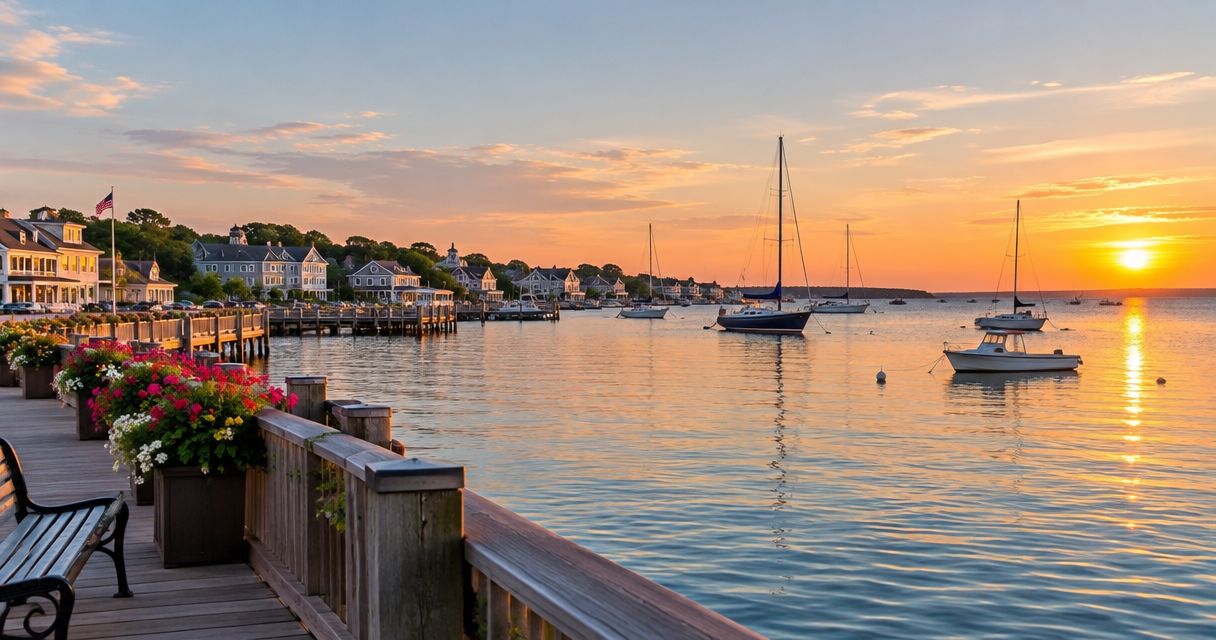
Best overall: Port Washington. Best for South Shore boating: Babylon. Best for a quieter North Fork search: Southold. This 2026 guide to the best waterfront towns on Long Island compares six communities by daily convenience, water access, and the property checks that should decide your purchase.
- Port Washington leads the best waterfront towns on Long Island shortlist for buyers balancing harbor access and rail travel.
- Babylon suits South Shore boating searches; Southold suits buyers seeking a North Fork setting.
- Waterfront, water-view, and water-access homes are different purchases. Verify the rights attached to each property.
- Michelle Lent provides waterfront real estate buyers with residential buying and valuation services across Nassau and Suffolk counties.
Why this matters
A waterfront address does not tell you whether you can launch a boat, reach a beach, or insure the house on acceptable terms. Those questions belong at the beginning of your search, not after you choose a favorite view.
Michelle Lent is a fit for waterfront real estate buyers seeking buying and valuation services across Nassau and Suffolk counties. You can start your search with Michelle Lent, then narrow the communities against your actual travel patterns and intended use of the water.
This guide uses towns in the everyday sense of communities, not as a statement about municipal boundaries. A village address, town jurisdiction, school district, and postal address are not interchangeable; verify each against the specific property.
What makes the best waterfront town?
The strongest choice in 2026 is the community where the property and your routine work together. Use these criteria before comparing listings:
- Water access: Separate direct frontage, a water view, deeded access, and access through public facilities.
- Daily travel: Check the actual trip between the house, station, work, and essential errands.
- Property exposure: Review flood mapping, elevation information, drainage, and insurance requirements for the address.
- Boating fit: Match the waterway, dock arrangements, and route to open water with your intended boat use.
- Ownership upkeep: Inspect shoreline structures and understand who maintains shared or private facilities.
Do not let a community's reputation substitute for these checks. A suitable house away from the shoreline can serve your waterfront lifestyle better than a frontage property with access restrictions you cannot accept.
Best waterfront towns at a glance
| Rank | Community | Best for | Standout feature | Key limitation |
|---|---|---|---|---|
| 1 | Port Washington | Balancing harbor living and rail travel | Manhasset Bay setting and LIRR service | Station access still depends on the address |
| 2 | Oyster Bay | A sheltered-harbor setting | Oyster Bay Harbor and an established village center | A village location does not establish private water access |
| 3 | Huntington | Combining waterfront outings with village amenities | Huntington Harbor and Huntington village | The harbor, village center, and station are separate destinations |
| 4 | Babylon | South Shore boating | Great South Bay setting and canal-front search options | Boating suitability depends on the individual waterway |
| 5 | Port Jefferson | Harbor life with a Connecticut ferry connection | Port Jefferson Harbor and the Bridgeport ferry | The ferry terminal and rail station are in different locations |
| 6 | Southold | A quieter North Fork search | Peconic Bay and Long Island Sound shorelines | Spread-out destinations require an address-specific travel check |
1. Port Washington: best for harbor living with rail travel
Port Washington sits on Manhasset Bay in Nassau County and has LIRR service. It is the strongest starting point here when you want a waterfront setting without treating rail travel as an occasional exception.
The distinction is between choosing Port Washington and choosing the right Port Washington address. Measure the route from each house to the station and to the waterfront you expect to use.
Port Washington pros:
- A bay setting supports a harbor-focused home search.
- LIRR service gives you a rail option for travel.
- The community combines waterfront areas with everyday commercial destinations.
Port Washington cons:
- A Port Washington address does not guarantee convenient station access.
- A harbor view does not establish dock ownership or boating rights.
Best for: Buyers balancing Nassau County waterfront living with regular rail travel.
Verdict: Buy in Port Washington when the specific address satisfies both your station trip and your water-access requirements.
2. Oyster Bay: best for a sheltered-harbor setting
Oyster Bay places your search around a North Shore harbor and village center. It belongs on the shortlist when the character of the harbor matters more than finding an ocean-facing beach house.
In 2026, distinguish a home near Oyster Bay Harbor from a property with documented rights to use the shoreline. They offer different ownership experiences, even when their listing photographs show similar water views.
Oyster Bay pros:
- The harbor provides a clear focus for a waterfront search.
- The village center gives you a destination beyond the shoreline.
- The setting suits buyers who prefer a harbor to an open-ocean frontage search.
Oyster Bay cons:
- Proximity to the harbor does not confer private shoreline access.
- Dock condition and permitted use require separate investigation where applicable.
Best for: Buyers prioritizing a North Shore harbor setting and village surroundings.
Verdict: Buy in Oyster Bay for the harbor setting, but wait on any property whose access rights remain unclear.
3. Huntington: best for village amenities near the waterfront
Huntington combines a waterfront search around Huntington Harbor with the shops, dining, and cultural destinations of Huntington village. Choose it when your ideal weekend includes both time near the water and time in a village center.
Do not treat those destinations as one location. Huntington Harbor, the village center, and Huntington station occupy different places, so the house determines how conveniently you can combine them.
Huntington pros:
- The harbor adds a waterfront focus to the search.
- Huntington village offers destinations beyond boating and beach visits.
- You can compare homes by their relationship to several everyday destinations.
Huntington cons:
- A home convenient to the harbor is not automatically convenient to the station.
- Village proximity alone says nothing about waterfront rights.
Best for: Buyers who want waterfront outings alongside an active village routine.
Verdict: Buy in Huntington when the house connects comfortably to your preferred destinations; skip listings that rely on the community name instead of usable access.
4. Babylon: best for South Shore boating searches
Babylon belongs on a boating-focused shortlist because of its Great South Bay setting and canal-front search options. The key question is not simply whether a home has water behind it, but whether that water serves your intended boating use.
For your 2026 search, investigate the route from the property to the bay. Bridge clearance, water depth, dock arrangements, and any applicable restrictions belong in that review.
Babylon pros:
- The Great South Bay setting suits a South Shore boating search.
- Canal-front properties provide an alternative to open-bay frontage.
- Babylon village and its LIRR station offer additional daily destinations.
Babylon cons:
- A canal location does not establish suitability for your boat.
- Shoreline structures add inspection and maintenance questions.
Best for: Buyers whose waterfront decision starts with how they intend to use a boat.
Verdict: Buy in Babylon only after confirming that the property's waterway and dock arrangements fit your intended use.
5. Port Jefferson: best for a harbor with ferry access
Port Jefferson offers a North Shore harbor village and a ferry connection to Bridgeport, Connecticut. That connection gives it a distinct role on this list for buyers whose travel regularly involves Connecticut.
The ferry is a reason to investigate the community, not a substitute for checking a complete journey. Review current schedules directly with the operator and map the trip from the house to the terminal.
Port Jefferson pros:
- The harbor is central to the village setting.
- The Bridgeport ferry provides a Connecticut connection.
- Village destinations support activities beyond time on the water.
Port Jefferson cons:
- Ferry travel depends on the operator's current schedule and service conditions.
- The LIRR station is in Port Jefferson Station, separate from the harbor village.
Best for: Buyers who value a harbor village and have a practical use for the Connecticut ferry.
Verdict: Buy in Port Jefferson when the harbor setting and ferry connection improve your routine; skip it if the attraction depends on an unchecked travel assumption.
6. Southold: best for a quieter North Fork search
Southold offers a North Fork setting with access to the broader landscape of Peconic Bay and Long Island Sound. It is the place to investigate when your waterfront priorities favor shoreline settings and a less village-centered routine.
A bay-facing search and a Sound-facing search are not interchangeable. Visit the relevant shoreline and inspect the actual approach to the water rather than choosing from a map alone.
Southold pros:
- The North Fork setting supports a different search from western Long Island.
- Bay and Sound shorelines give you distinct settings to compare.
- The area suits buyers who place the surrounding landscape high on their checklist.
Southold cons:
- Distances between the house and daily destinations need careful review.
- Beach proximity does not establish deeded access or permission to use a particular beach.
Best for: Buyers seeking a quieter North Fork setting and willing to organize daily travel around the address.
Verdict: Buy in Southold when the shoreline setting and everyday travel both fit; wait if you have only visited as a day-tripper.
Turn the shortlist into a property decision
Before making an offer in 2026, separate the features that attracted you from the rights and conditions you would actually acquire. Michelle Lent provides residential buying and valuation services; property-specific legal, insurance, and inspection questions also require the relevant professionals.
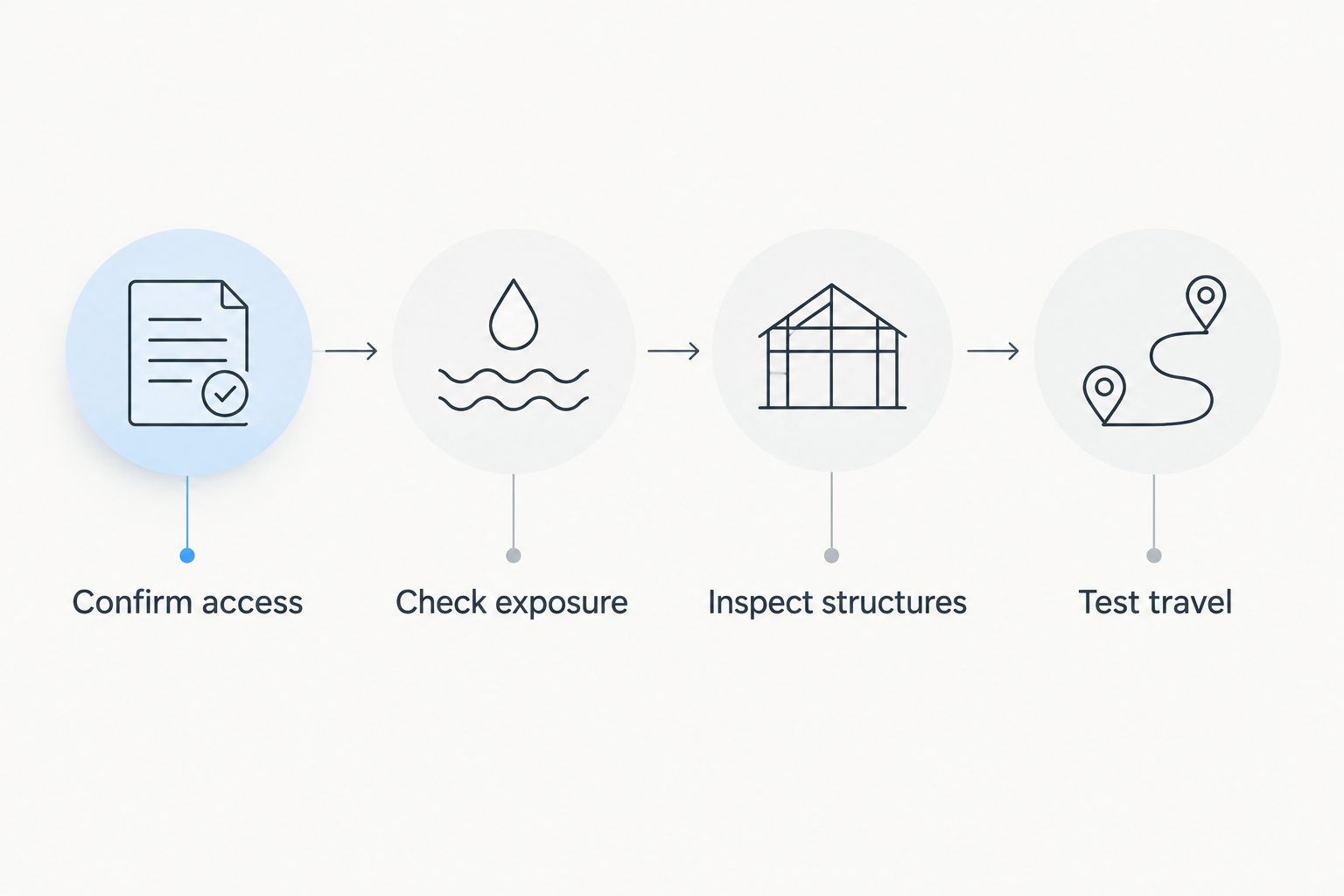
Use this sequence:
- Confirm access. Have your attorney review the documents governing frontage, beach rights, docks, and shared facilities.
- Check exposure. Review current flood information and request at least 1 address-specific insurance quote before committing.
- Inspect structures. Arrange appropriate inspection of the house and any dock, bulkhead, or other shoreline improvement.
- Test travel. Visit on 2 separate days, including a day that reflects your normal work or errand schedule.
Compare at least 3 properties against the same checklist. These are suggested search steps, not market statistics; their purpose is to stop an attractive view from receiving less scrutiny than an ordinary house.
How the towns are ranked
This is a use-case ranking, not a ranking by sale price, investment return, or measured flood risk. Port Washington leads for the combination of a harbor setting and rail service; each subsequent community serves a different priority.
The criteria are water access, daily travel, property exposure, boating fit, and ownership upkeep. The final choice depends on the address because town-level descriptions cannot establish a property's legal rights, condition, or insurance terms.
Which waterfront town should you choose?
Start with Port Washington if you are undecided. Its combination of Manhasset Bay and rail service gives you a practical baseline against which to compare the other communities.
Choose Babylon when boating drives the decision, Oyster Bay when the harbor setting comes first, and Huntington when village destinations matter alongside the waterfront. Choose Port Jefferson for a useful ferry connection or Southold for a North Fork-focused search.
For a 2026 purchase, keep the community shortlist short and the property investigation detailed. The town gets you to the viewing; the documents, inspections, and daily journey should determine the offer.
FAQ
What's the best waterfront town on Long Island overall?
Port Washington is the default recommendation in this guide for buyers balancing harbor living and rail travel. Its Manhasset Bay setting and LIRR service provide the basis for that choice, but the individual address still determines convenience and water access.
Which Long Island waterfront town should I consider for boating?
Babylon is the boating-focused recommendation on this shortlist. Before choosing a property, confirm water depth, bridge clearance, dock arrangements, and the route to the bay for your intended boat.
Is waterfront property the same as a water-view home?
No. A water view describes what you can see, while waterfront generally describes a property's relationship to the shoreline; neither phrase alone establishes usable access, dock rights, or permissions.
Is Oyster Bay better than Huntington for waterfront living?
Oyster Bay is the better starting point for a harbor-centered search, while Huntington suits buyers who also prioritize village destinations. Compare the actual properties rather than assuming either community guarantees convenient water access.
Does every waterfront home need flood insurance?
Flood insurance requirements depend on the property, financing, and applicable rules. Ask your lender and insurance professional about the specific address, and assess coverage separately from whether a lender requires it.
Which town has a ferry to Connecticut?
Port Jefferson has a ferry connection to Bridgeport, Connecticut. Check the operator's current schedule and the complete house-to-destination journey before making that connection part of your buying decision.
Can Michelle Lent help with a Long Island waterfront home search?
Michelle Lent provides residential buying, selling, and valuation services across Nassau and Suffolk counties. For a waterfront search, identify your preferred communities, intended water use, and travel requirements before comparing individual properties.
One last thing
View and access are separate purchase decisions. Before your next waterfront showing, write down what you actually want to do: watch the harbor, reach a beach, launch a boat, or keep a boat at home. A property that satisfies one of those goals does not automatically satisfy the others.