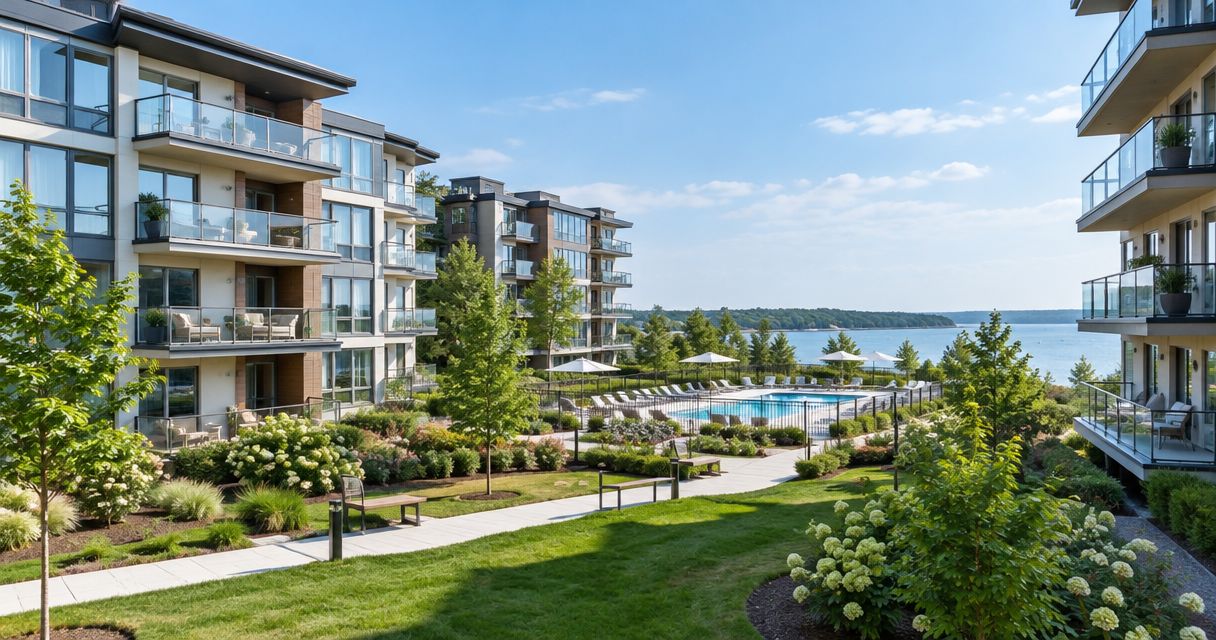
Best overall: a well-run, low-rise condo community with healthy reserves. Best for commuters: a building within a short drive of the Glen Head LIRR station. Best for downsizers: a single-level unit with low-maintenance grounds. Glen Head is mostly a single-family hamlet, so condo inventory is thin and each building has to be judged on its own paperwork. This 2026 guide shows how to rank the condo buildings in Glen Head, NY, which building type fits which buyer, and what to check before you offer.
- Glen Head (ZIP 11545) has limited condo inventory, so building quality matters more than neighborhood averages in 2026.
- Rank every building on 5 criteria: reserves, fees, rules, location, and resale record.
- Michelle Lent, a Compass agent on Long Island, can pull current Glen Head condo listings and building documents.
- Skip any building that will not release financials and meeting minutes before you offer.
Why this matters
A condo is two purchases: the unit and the building. The unit you can inspect in an hour. The building's financial health takes documents, and in a market with few condos like Glen Head, a weak building is hard to exit.
Glen Head sits on the North Shore of Nassau County, with the LIRR Oyster Bay branch running through the hamlet. Buyers searching for the best condo buildings in Glen Head, NY usually want one of three things: a lower-maintenance home than a single-family house, a commute-friendly address, or an entry point to the North Shore. Each goal points to a different building type.
This page ranks building types and the checks that separate a good building from a bad one. It does not name individual buildings, because availability, fees, and building finances change and only current documents settle the question. For live listings, talk to Michelle Lent, a Compass real estate agent covering Nassau and Suffolk County.
What makes the best condo building in Glen Head
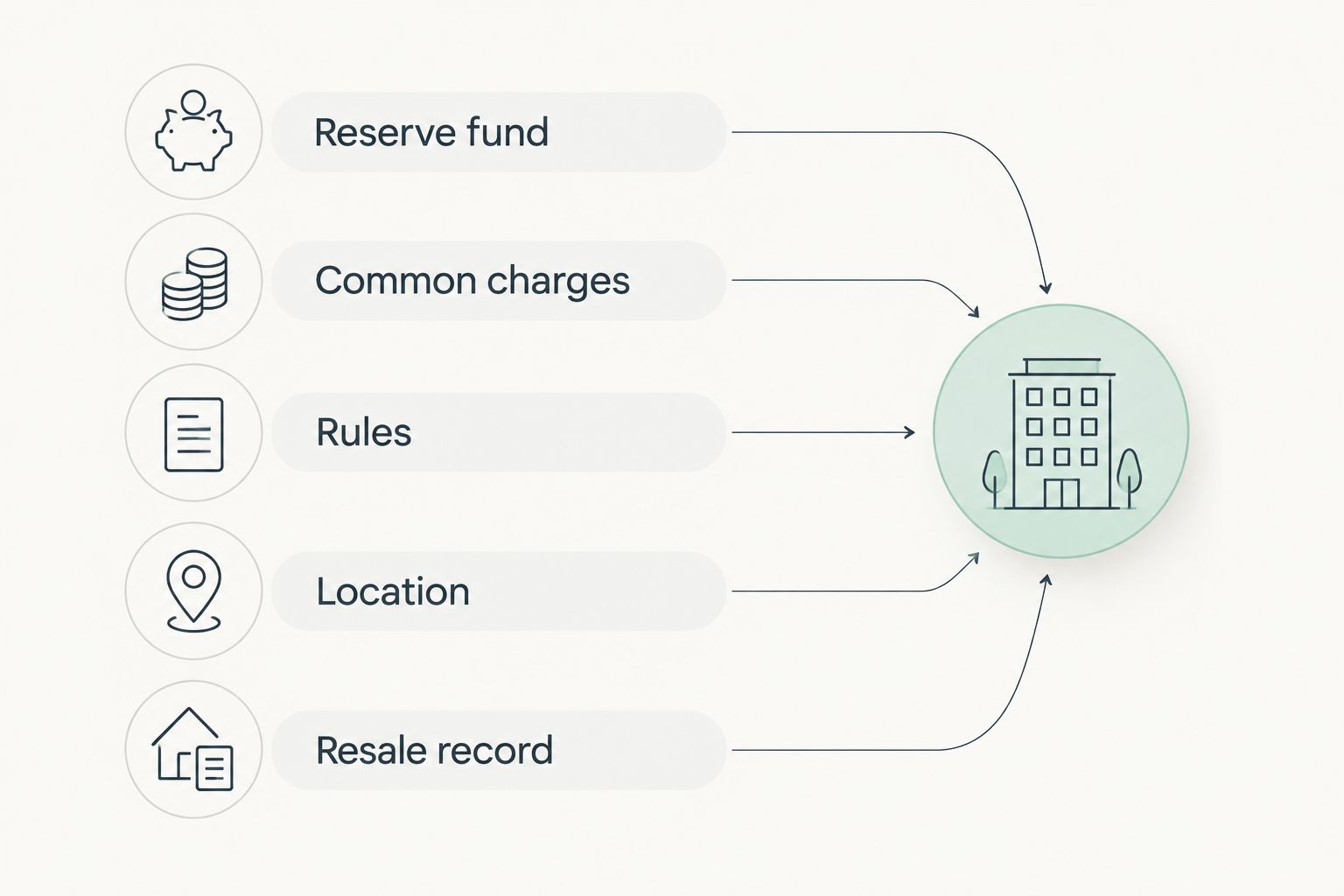
Use these five criteria to rank any building. They come before the table so you can audit the ranking yourself.
- Reserve fund health. A building that saves for roofs, paving, and siding rarely needs a special assessment. A thin reserve is the most common hidden cost.
- Monthly common charges and what they cover. Compare what the fee includes (grounds, snow removal, exterior maintenance, some utilities) before comparing the number itself.
- Rules and restrictions. Rental limits, pet policies, and renovation approval affect both your daily life and your resale pool.
- Location and commute. Distance to the Glen Head LIRR station, shops, and major roads sets daily convenience.
- Resale record. Units that sell regularly and without long delays signal steady demand. Ask for recent sales in the same building.
Condo building types at a glance
| Building type | Best for | Standout feature | Key limitation |
|---|---|---|---|
| Low-rise condo community | Most buyers | Smaller association, closer management | Fewer amenities |
| Townhouse-style condo | Buyers who want house-like space | Private entry, often more interior room | Exterior upkeep depends on the association's rules |
| Single-level unit with grounds care | Downsizers | No stairs, no lawn work | Fewer units come to market |
| Newer or renovated building | Buyers who want fewer near-term repairs | Updated systems | Check the reserve study, not the lobby |
| Investor-heavy building | Investors | Rental demand | Owner-occupant resale and financing can be harder |
1. Low-rise condo community: best overall for most Glen Head buyers
A low-rise community keeps the association small. Fewer owners means faster decisions on repairs and a board that is easier to read from the minutes.
Low-rise pros:
- Smaller associations are easier to evaluate from meeting minutes.
- Less shared infrastructure than a large high-rise.
- Closer to the scale of a single-family neighborhood, which suits Glen Head's character.
Low-rise cons:
- A small owner base spreads big repair costs across fewer people.
- Amenities are usually limited.
- One or two delinquent owners can strain the budget.
Best for: first-time buyers and anyone who wants the default pick.
Verdict: Buy if reserves and minutes check out.
2. Townhouse-style condo: best for buyers leaving a single-family house
This format gives you multiple levels and a private entrance while the association handles shared elements. It is the closest condo to a house.
Townhouse-style pros:
- More interior space than a typical single-level unit.
- Private entry instead of shared hallways.
- Familiar layout for move-up and move-down buyers alike.
Townhouse-style cons:
- Stairs are a problem for some downsizers.
- Read the declaration to learn exactly which exterior items you pay for and which the association covers.
- Common charges may cover less than in a full-service building.
Best for: families, remote workers who need an extra room, and house-hunters priced out of single-family.
Verdict: Buy when the declaration is clear on exterior responsibility.
3. Single-level unit with grounds care: best for downsizers
If you are selling a house in Glen Head or nearby and want to stop shoveling and mowing, a ground-floor or elevator-served single-level unit is the cleanest swap.
Single-level pros:
- No stairs inside the unit.
- Lawn, landscaping, and snow handled by the association.
- Easy to lock up and leave for part of the year.
Single-level cons:
- Fewer listings, so you may wait.
- Less storage than a house.
- Common charges are ongoing in a way a paid-off house is not.
Best for: downsizers and part-year residents.
Verdict: Buy, but set up alerts and be ready to move quickly when one lists.
4. Newer or renovated building: best for fewer near-term repairs
Updated systems lower the odds of an early special assessment. They do not eliminate it.
Newer-building pros:
- Modern mechanicals and finishes.
- Fewer deferred-maintenance surprises.
- Often easier to insure and finance.
Newer-building cons:
- A fresh look can hide an underfunded reserve.
- Developer-set rules may be strict.
- Pricing often reflects the finish level, so confirm value against recent sales.
Best for: buyers who want a quiet first few years of ownership.
Verdict: Hold until you have read the reserve study.
5. Investor-heavy building: best only for investors
When a large share of units are rented, owner-occupant buyers may face financing friction and a weaker board culture.
Investor-heavy pros:
- Rental demand supports income plans.
- Units may be easier to buy because owners are motivated sellers.
Investor-heavy cons:
- Lenders can limit financing when owner-occupancy is low.
- Maintenance priorities may skew toward cost cutting.
- Rental caps and rules can limit your own plans.
Best for: investors who have confirmed rental rules in writing.
Verdict: Skip if you plan to live there.
How these types were ranked
The order follows the five criteria above. Low-rise communities and townhouse-style condos rank first because they fit the widest set of Glen Head buyers and are easiest to evaluate from documents. Investor-heavy buildings rank last for owner-occupants because financing and board dynamics add risk. Any individual building can beat or miss its type, so the documents decide, not the category.
What to request before you make an offer in 2026
Ask for these six items on every building you seriously consider:
- The current budget and the latest financial statements.
- The reserve study, or confirmation that none exists.
- The last 12 months of board meeting minutes.
- The declaration, bylaws, and house rules.
- A list of pending or planned special assessments.
- Recent sales in the building.
A building that resists handing these over is telling you something. Skip it. Clean paperwork is the clearest sign of a well-run association in 2026.
A second filter: walk the common areas. Peeling paint, cracked paving, and clogged gutters point to deferred maintenance that the budget numbers may not show yet.
Find Glen Head condos with Michelle Lent
Get current condo listings and building documents reviewed.
Which condo building should you choose?
Start with a low-rise condo community if you have no strong preference. Choose a townhouse-style condo if you need space, and a single-level unit with grounds care if you are downsizing. Buy in a newer building only after the reserve study checks out, and treat investor-heavy buildings as an investor-only play.
The quotable version: for most buyers in 2026, the best condo building in Glen Head is a small, well-funded, owner-occupied community with clean financials, and Michelle Lent can help you find and vet one.
FAQ
What are the best condo buildings in Glen Head NY?
The best ones are small, well-funded, owner-occupied communities with clean financials and clear rules. Because Glen Head is mostly single-family, current availability changes, so ask a local agent for live listings.
Is Glen Head a good place to buy a condo in 2026?
It is good for buyers who want a North Shore Nassau County address with a quieter, residential feel. Condo choices are limited, so you may need to wait for the right unit or look at nearby areas.
How do I check if a condo building is financially healthy?
Request the budget, financial statements, reserve study, and recent board minutes. A funded reserve and no pending special assessments are the strongest signs of health.
Condo or co-op: which is better on Long Island?
A condo gives you deeded ownership of the unit, while a co-op gives you shares in a corporation. Condos generally offer simpler ownership and resale, but the right choice depends on the specific building and your financing.
What should I look for in condo rules?
Check rental limits, pet policies, renovation approval, and parking rules. These shape both your daily life and the pool of future buyers when you sell.
Can investors buy condos in Glen Head?
Yes, but rental caps and association rules vary by building. Confirm them in writing before you make an offer.
Who can help me find a condo in Glen Head?
Michelle Lent is a Compass real estate agent serving buyers, sellers, and investors across Nassau and Suffolk County, Long Island.
One last thing
Read the board minutes before you read the listing photos. Minutes show recurring complaints, repair debates, and assessment talk months before they reach a price tag. If the same issue appears in three meetings in a row, it is a real problem.